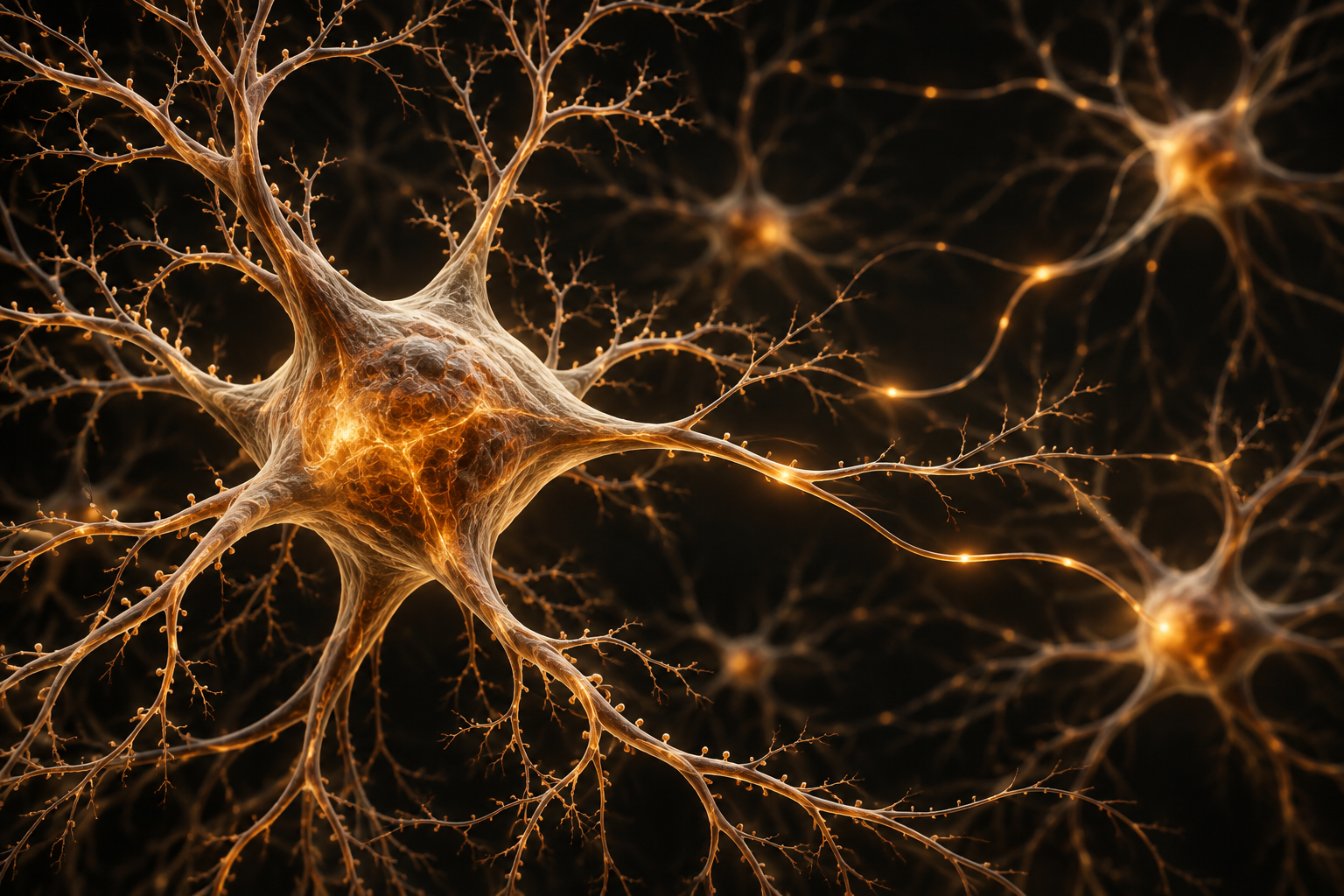
Learning, attention and memory are useful meeting points between neuroscience and AI. Similar language can hide important differences: a component named after a biological idea need not work like its counterpart in a brain.
Consciousness deserves a separate discussion from performance. In a 2023 report, Butlin and colleagues proposed examining artificial systems through indicators drawn from theories of consciousness. Their approach illustrates the need to connect a claim to a stated theory and evidence.
We ask which mechanism is being compared and what observation would support the comparison. Fluent conversation, a striking image or a high test score can motivate questions, but each leaves other questions unanswered. Keeping those distinctions visible makes interdisciplinary work more informative.
Sources & further reading
Links point to original reporting or primary research.